The Truth About Menopause
Menopause Is Real: Understanding the Hormonal Changes Behind Women’s Health
For years, some people have dismissed menopause by saying it is “all in your head” or that it is not a real medical experience. But menopause is a natural biological transition driven by significant hormonal changes — and the effects on a woman’s body are very real.
To understand menopause, consider a similar situation in men. If a healthy man suddenly had both testicles removed, his testosterone levels would drop dramatically almost immediately. The expected effects are well recognized: fatigue, loss of muscle mass, decreased libido, erectile dysfunction, sleep disruption, changes in mood, reduced bone density, and potential long-term impacts on cardiovascular health.
The same basic principle applies to women and their reproductive hormones.
The Role of Hormones in Women’s Health
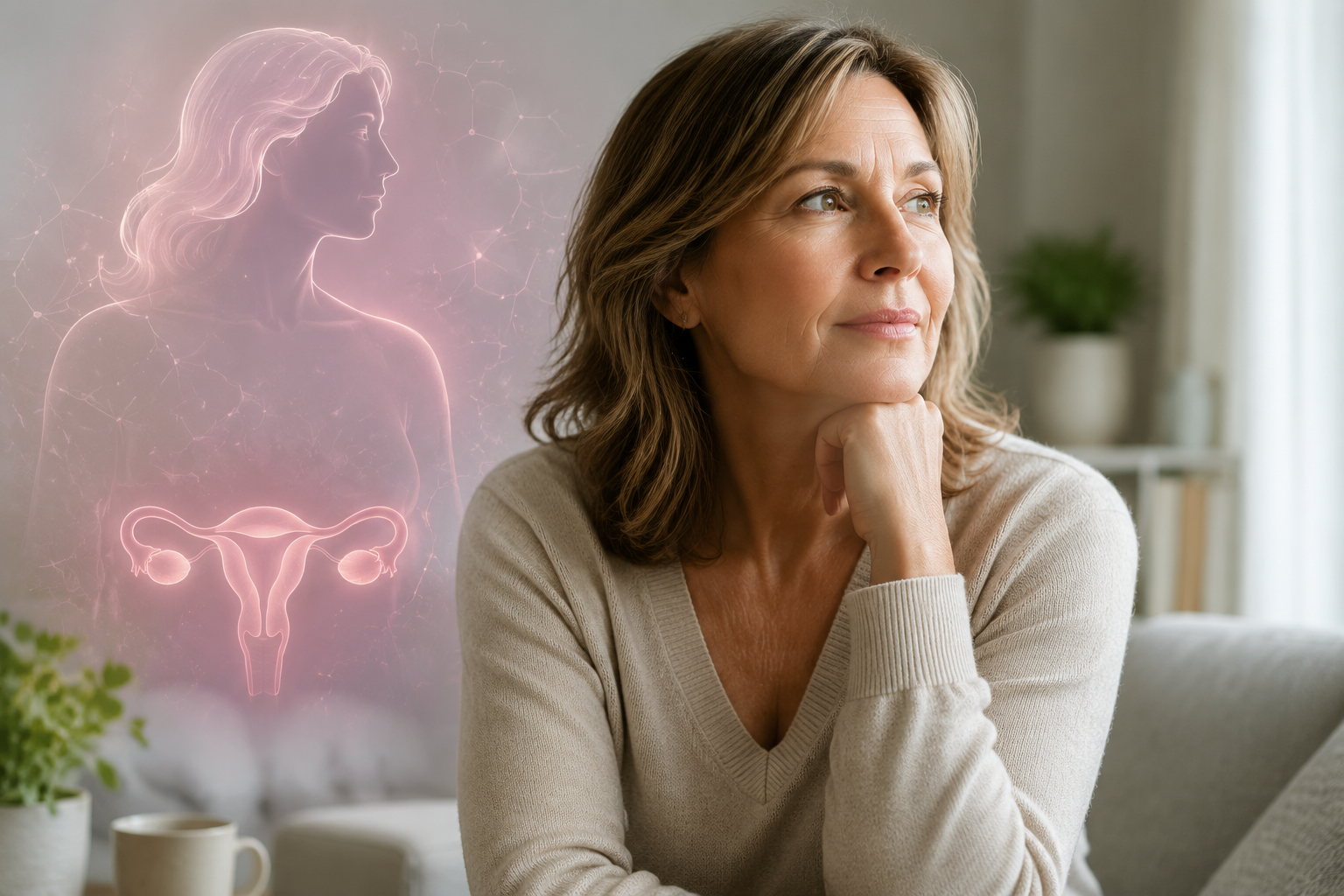
The ovaries are the primary source of estrogen and progesterone and also contribute to testosterone production before menopause. These hormones influence far more than reproduction. They play important roles in:
- Bone strength and density
- Muscle maintenance
- Sleep quality
- Energy levels
- Sexual health
- Brain function
- Cardiovascular health
- Overall physical well-being
When ovarian function naturally declines during menopause, or when the ovaries are surgically removed due to conditions such as ovarian cancer risk, severe endometriosis, or other medical concerns, hormone levels can change significantly.
Menopause Symptoms Are Biological, Not Imaginary
The symptoms many women experience during menopause are not simply emotional or psychological. They are connected to measurable changes in the body’s endocrine system.
Common menopause-related changes may include:
- Hot flashes and night sweats
- Sleep difficulties
- Changes in energy levels
- Mood changes
- Reduced libido
- Changes in body composition
- Vaginal dryness or discomfort
- Difficulty maintaining muscle mass
- Increased risk of bone loss
These experiences occur because the body is adapting to a new hormonal environment.

Hormones Matter for Everyone
Medicine has long recognized testosterone deficiency in men and understands that a significant drop in testosterone can affect quality of life and long-term health. Women deserve the same recognition when their hormone-producing organs naturally stop functioning or are medically removed.
Hormonal changes are not a sign of weakness, exaggeration, or a lack of resilience. They are a matter of endocrinology — the science of how hormones regulate the body.
Supporting Women Through Menopause
Menopause is a normal stage of life, but that does not mean women should have to ignore difficult symptoms or accept feeling unlike themselves. Understanding the role hormones play allows women and healthcare providers to have more informed conversations about treatment options, lifestyle changes, and long-term health strategies.
Menopause is real. The hormonal changes are real. And the impact on women’s health deserves the same attention and understanding given to hormonal changes in men.